
"G4 grade"
200 article(s) found
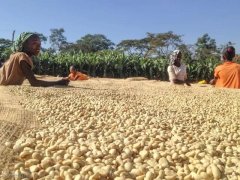
How are Ethiopian coffee beans graded? What's the difference between G1 and G3?
Professional coffee knowledge exchange more coffee bean information Please pay attention to the coffee workshop (Wechat official account cafe_style) often see Essel beans packaging written on what G1, G2, G3, what do these represent? What is the difference between them? The grading of Ethiopian coffee beans first of all, the Ethiopian Ministry of Agriculture has a person called CLU (Cupping and Liquoring Unit).
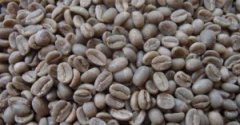
A brief introduction to boutique coffee beans and Ethiopian coffee
Lim G2 Ethiopia is the hometown of Arabica coffee, and you can see wild Arabica coffee in the forests of the Kaffa region. In Ethiopian, coffee is called Bun or Buna, and coffee beans (coffee bean) may be translated from Kaffa Bun. Arabica coffee has long been found in the Harald area, which is very accessible.

Introduction of Coffee Flavor description and Taste characteristics in Xidamo Chiso producing area of Ethiopia
Gima, which accounts for about 50 per cent of Ethiopia's annual output, grows between 4400 and 6000 feet above sea level in the country's southwestern highlands (the border between Kaffa and Illubabor provinces) and is usually exported to G5/G4. However, in recent years, about 10% or 20% of Gima has been used to make up for the lack of taste of coffee, but its quality has gradually declined to its own level, but for the purchase of

Ethiopia Sidama Coffee Bean G3 Flavor Description Flavor Treatment Variety Introduction
Shakisso/Shakiso is located in the Guji region of Sidama, south of the Oromia region, next to Sidama and Gedeo. There are many mines in this area, which were used for gold mining in the early days, so there are many potholes in this coffee-growing area. This makes it dangerous to walk between coffee-growing areas. shaggy

Unique Ethiopian Coffee Estate Boutique Coffee Bean Cultivation Location Climate Sea
Ethiopia is home to Arabica coffee, and it is in the forests of the Ethiopian Kaffa region that you can see Arabica coffee growing wild. In Ethiopian, coffee is called Bun or Buna, and coffeebean may be translated from Kaffa Bun. Arabica coffee was discovered early in the Harar area and is likely to come

Introduction to the treatment methods of roasting degree and grinding degree of Ethiopian coffee flavor description varieties
Coffee is Ethiopia's most important export cash crop and the main source of Ethiopia's foreign exchange earnings. Ethiopia's coffee exports account for about 3% of the world market, making it the eighth largest coffee exporter in the world. Coffee exports increased steadily from 58000 tons in 1990 to 110000 tons in 1995-1996 and remained at this level in the following years. 2001-2002

The Origin of Coffee in the World an introduction to the coffee bean producing areas in Ethiopia
Ethiopia is the hometown of Arabica coffee, and it is in the forests of Kaffa that you can see wild Arabica coffee. In Ethiopian, coffee is called Bun or Buna, and coffee beans (coffeebean) may be translated from Kaffa Bun. Arabica coffee was discovered early in the Harar area and is likely to come.

Ethiopian Coffee-Wash Coffee Yerga Sherfi Flavor Introduction
Yirgacheffe Coffee has a strong floral flavor. Washed Yerga Sherfi is one of the world's finest high quality coffee, with soft acidity and rich body. Top and Bebeka coffee, low in acidity but high in body, is an indispensable member of the blend coffee. Grade of Ethiopian coffee: Ethiopian washed coffee Ye Jia Xue Fei G1 G2 West Damo (Yi
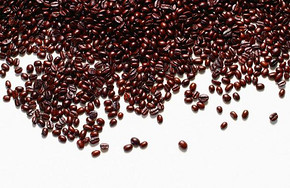
How much do you know about the coffee producing areas in Ethiopia?
Following caf é (Wechat official account vdailycom) found that Beautiful Cafe opened a small shop of its own. What else is there besides Yega Xuefei, the coffee producing area of Ethiopia? Ethiopia, an ancient country on the African continent, is the hometown of Arabica coffee. It is in the forests of the Kaffa region that you can see wild Arabica coffee. Coffee is in Ethiopia.
African Coffee Green Beans Learn about coffee plantations that produce green beans
Ethiopia Yegashefi G2| Ethiopia Yirgachaffe Grade2 Ethiopia Sidama G2| Ethiopia Sidamo Grade2 Ethiopia Harar G4| Ethiopia Harrar Grade4 Kenya Kenya AA| Kenya AA Tanzania AA| Tanzania AA Rwanda AA| Rwanda AA Ugan

Description of the taste of Manning Sidamoye plus snow coffee beans
Manning Sidamoye Snow Coffee Coffee beans taste description Water washing: Grade-1;Grade-2 (G1G2) Sun: Grade-1 and Grade-3~Grade-5 (G1G3G4G5) A few notes: a) both washing and sun exposure, there is Gr-1, provided that there are zero defects and Premium Cup. Whether it's washing or tanning, Gr-1 is the best of the boutique or Cup of Excellence coffee.
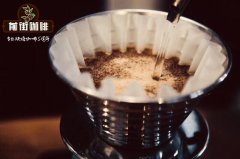
Indonesian coffee grade-
Professional coffee knowledge exchange more coffee bean information please follow the coffee workshop (Wechat official account cafe_style) Republic of Indonesia (Indonesian: Republik Indonesia, English: Republic of Indonesia), referred to as Indonesia (Indonesia). It is a Southeast Asian country with Jakarta as its capital. With countries such as Papua New Guinea, East Timor and Malaysia
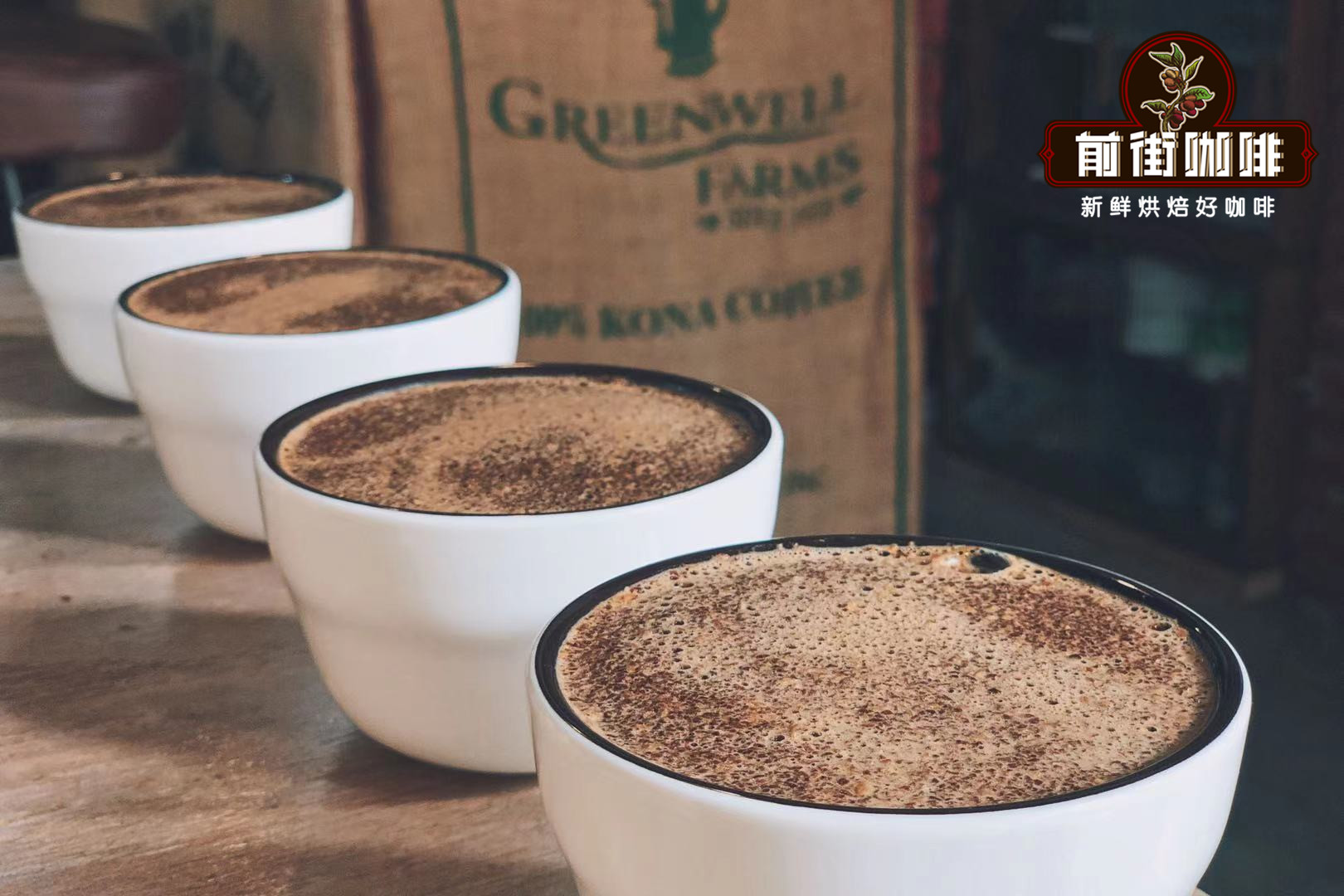
The difference between G1 and G2 coffee beans introduced what is the coffee grading system in Ethiopia
The difference between G 1 and G 2 coffee beans the difference between G 1 and G 2 coffee beans is introduced by putting the mellow beans into the pool and moving back and forth, using the friction of the beans and the power of running water to wash the coffee beans until smooth and clean. After washing, the coffee beans are still wrapped in the pericarp with a moisture content of 50%, which must be dried to reduce the moisture content to 12%, otherwise they
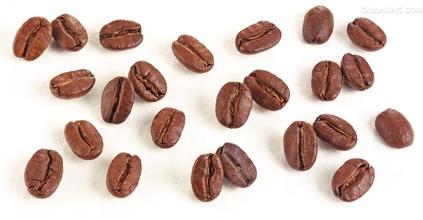
Ethel Biaxidamo G1 Solar Coffee Bean Flavor description Variety taste area introduction
In order to produce high-quality coffee beans, professional management team will make full use of shade trees and natural conditions. in the production of high-quality coffee while minimizing the impact on the natural environment. In this way, we can protect the ecological environment, social development and the well-being of community workers.

How to understand the coffee bean grade system of flavor and taste in each major coffee bean producing area
What's coffee talking about? The brewing of a cup of coffee begins with choosing beans. The flavor and texture of the raw material itself has determined the vocabulary you can tell. There is only one way to choose beans and understand what each coffee bean is talking about, and that is to increase the personal experience of drinking coffee. For example, try coffee from different producing areas in a coffee shop, or go to multiple cafes

Flavor description of Ethiopian Honey Coffee beans introduction to Grinding scale Variety Manor
The Flavor description of Ethiopian Honey Kiss Coffee beans Grinding scale Variety Manor introduces that Ethiopia grows coffee in different climatic zones, so it has more than 140 farm varieties, and fresh coffee is produced all the year round. The quality of Ethiopian coffee varies according to different elevations and regional ecological environment. Harar coffee in the southeast highlands is a typical Muhaka.

The basis of the high and low price of Indonesian coffee beans | introduction to the grading system of Indonesian coffee beans what is G1Magol G2
Professional coffee knowledge exchange more coffee bean information please follow the coffee workshop (Wechat official account cafe_style) what is the G1, G2, G3, G4 grading method? Indonesian coffee beans are classified according to the proportion of defective beans. Indonesian beans are mainly divided into six grades, namely G1~G6. Ethiopia also uses this method, with the highest grades of washed beans G1 and G2, and the highest levels of sun-dried beans.
KSJ
In order to distinguish between good quality coffee beans and poor quality coffee beans, manufacturers have to grade coffee. Coffee is usually graded according to the defect rate and the size of beans.
KSJ
In order to distinguish between good quality coffee beans and poor quality coffee beans, manufacturers have to grade coffee. Coffee is usually graded according to the defect rate and the size of beans.
Introduction to the flavor and taste of Ethiopian Arabica coffee
In the field of boutique coffee, there are also five other small places of coffee, namely Lim, Gemma, Le Campdi, Becca and Limmu, Djimmah, Lekempti, Bebeka and Wolega. The most common is Essesidamo or Harald coffee (Either Sidamo or Harrar coffee). Harald Coffee (HarrarCoffee) is made in Essex.